Source link : https://las-vegas-news.com/3-scientific-reasons-why-your-brain-craves-the-near-miss-on-a-slot-machine/
Two matching symbols on the payline, and the third stops one click away from a jackpot. You didn’t win anything. Objectively, the spin was a loss. Yet something in your brain pushes back against that conclusion, and you find yourself reaching for the button again. This reaction isn’t a personality flaw or a lack of willpower. It’s a measurable, predictable neurological event that scientists have been studying for decades.
The near-miss effect in gambling is one of the most robustly documented phenomena in behavioral neuroscience. Research stretching from Cambridge to the University of British Columbia has traced it through brain scans, dopamine signals, and cognitive distortions that persist even in people who don’t regularly gamble. Three core scientific mechanisms drive the whole thing, and each one runs deeper than most people expect.
What a “Near-Miss” Actually Is (and Isn’t)
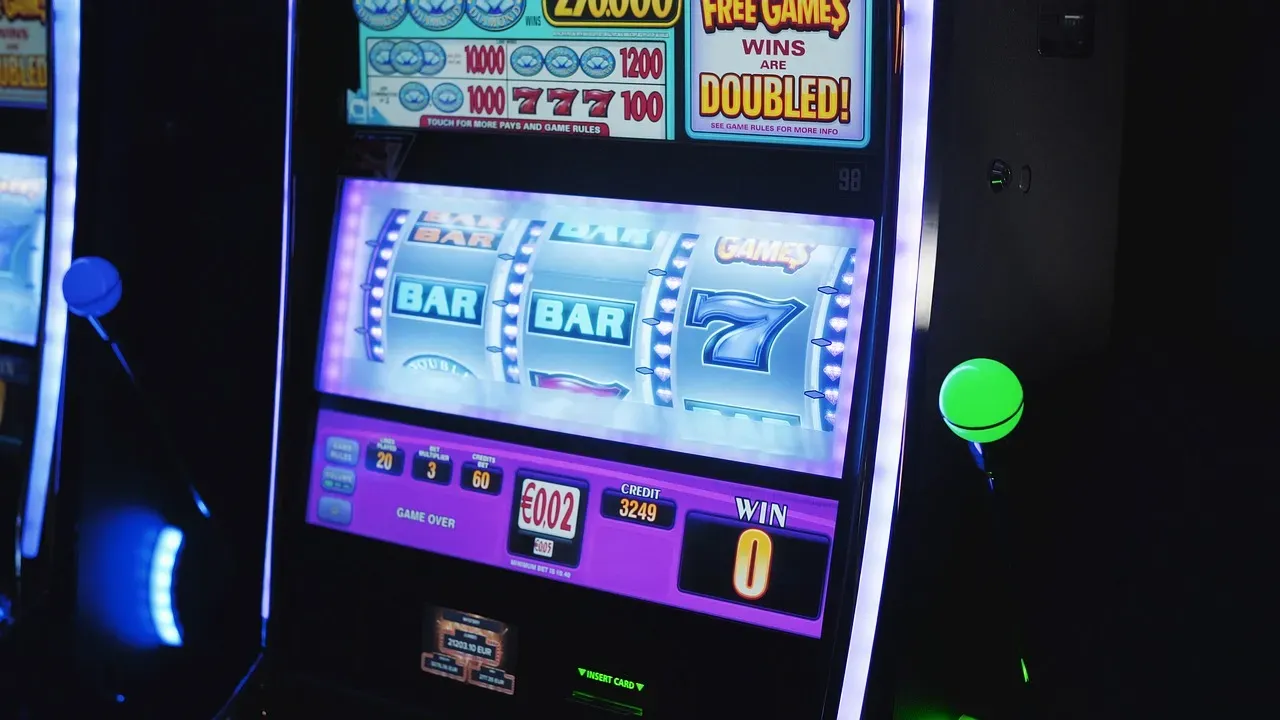
In games of chance, a near miss is said to occur when feedback for a loss approximates a win. For instance, obtaining “cherry, cherry, lemon” on a slot machine would be considered a near miss. Critically, the outcome is still a loss in every mathematical sense. The machine paid nothing. Near-misses are a structural characteristic of gambling products that can be engineered within modern digital games, which means they don’t arise purely from chance.
Game designers apply touchscreens and additional…
—-
Author : Matthias Binder
Publish date : 2026-04-23 07:39:00
Copyright for syndicated content belongs to the linked Source.
—-
1 – 2 – 3 – 4 – 5 – 6 – 7 – 8