Source link : https://las-vegas-news.com/vanishing-water-the-cultural-and-political-war-over-lake-mead/
Few places in the American West carry more symbolic weight than Lake Mead. It stretches across the Nevada-Arizona border with an almost theatrical scale, and for decades it stood as proof that human engineering could outmaneuver a desert. That story is now being rewritten, one lost foot of elevation at a time.
Lake Mead, located on the Colorado River, is the largest reservoir in the United States by capacity and a critical water source for millions of people across Nevada, Arizona, California, and Mexico. What began as an engineering triumph has evolved into one of the most politically charged natural resource crises in modern American history.
A Reservoir Built on Borrowed Time

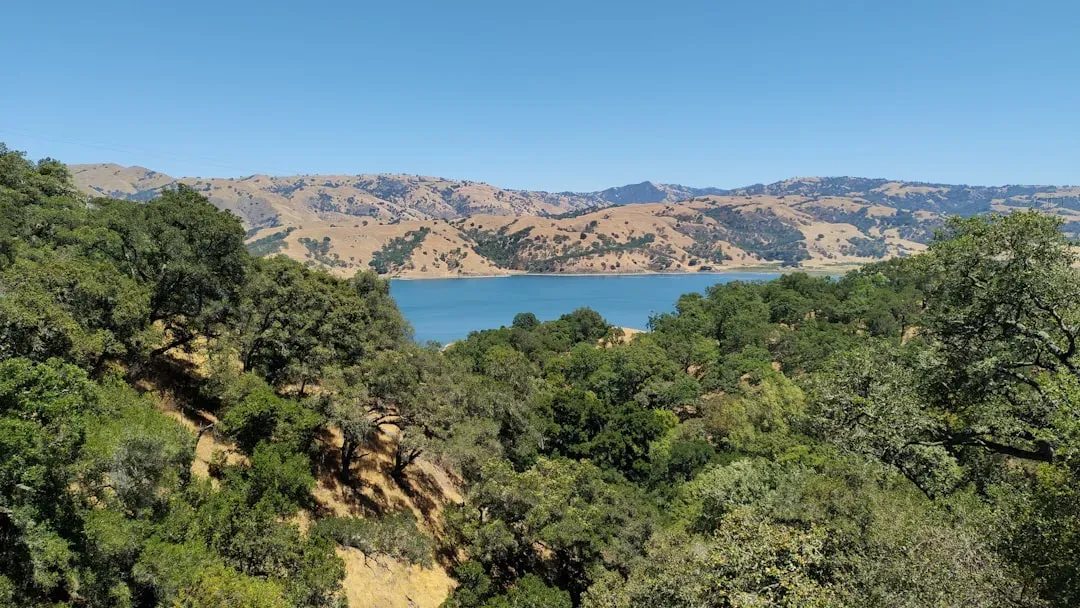
At maximum capacity, Lake Mead is 112 miles long, 532 feet at its greatest depth, has a surface elevation of 1,229 feet above sea level, and contains 28.23 million acre-feet of water. Those numbers make it sound invincible. They are not.
The lake has remained below full capacity since 1983 owing to drought and increased water demand. That is more than four decades of slow, persistent loss.
Since 2000, shrinking snowpacks, rising temperatures, thirsty crops, and growing populations have strained the Colorado River and its reservoirs Lake Powell and Lake Mead. The decline is not a single dramatic event. It is an accumulation of dry years, competing demands, and decisions deferred.
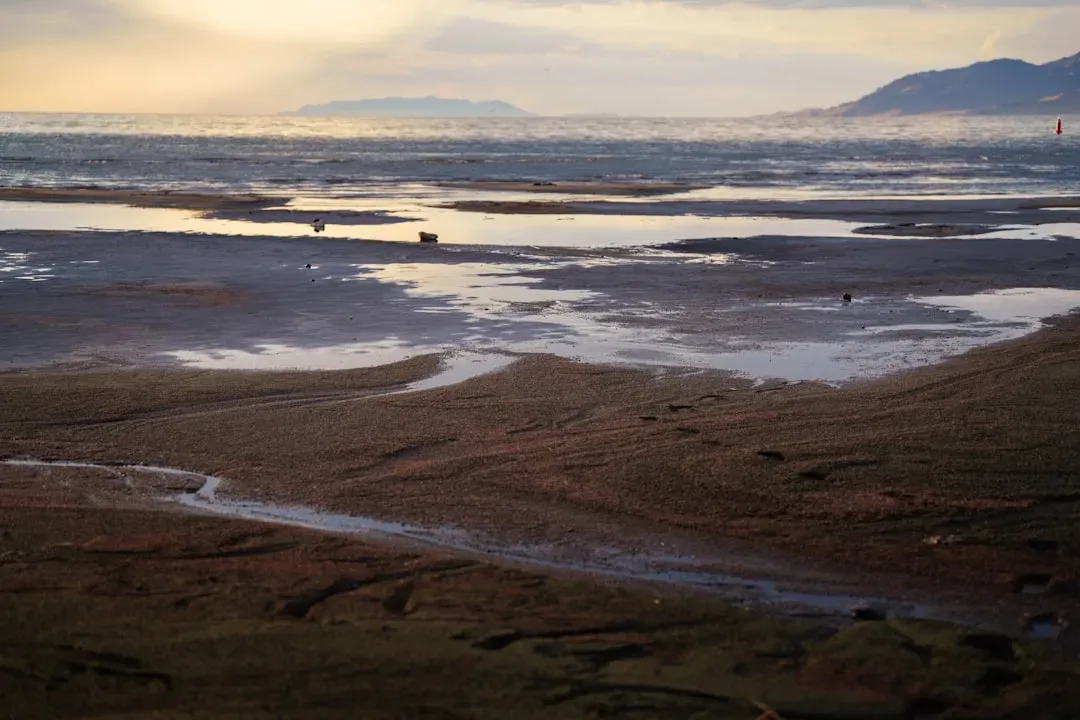
The Low Point That Shocked the Nation

—-
Author : Matthias Binder
Publish date : 2026-05-06 19:51:00
Copyright for syndicated content belongs to the linked Source.
—-
1 – 2 – 3 – 4 – 5 – 6 – 7 – 8