Source link : https://las-vegas-news.com/dust-storm-survival-the-hidden-respiratory-risks-of-living-in-the-las-vegas-valley/
Most people who move to Las Vegas picture sun-soaked streets, bright casino lights, and dry desert heat. What the real estate brochures don’t mention is the seasonal wall of dust that periodically swallows the valley whole, reducing visibility to near zero and coating lungs with fine particles that linger for days. It’s a hazard hiding in plain sight, one that affects long-term residents and newcomers alike.
The respiratory risks tied to Las Vegas dust storms are more complex than most people realize. They go far beyond a sore throat or scratchy eyes. Understanding what’s actually in that airborne dust, who’s most at risk, and how to respond could genuinely matter for your health over the long run.
What a Las Vegas Haboob Actually Is
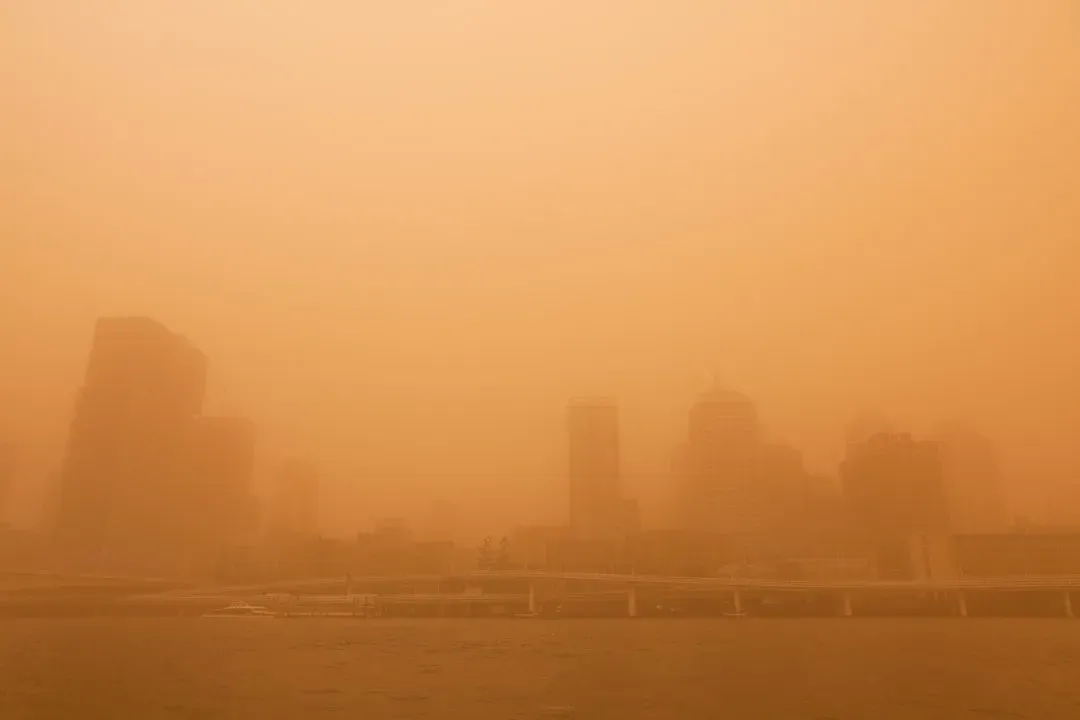
Haboobs tend to form as a result of thunderstorms, in particular the thunderstorms’ downdrafts, which are relatively common in the southwestern U.S. during the North American Monsoon Season. They aren’t simply strong wind events. A haboob typically forms when cold air from a thunderstorm rushes downward, causing high winds at the surface which lift dust into the air, and these storms can be up to 2,000 meters high, advancing up to 70 kilometers per hour, and can last as long as 6 hours.
Haboobs are immense walls of dust that can tower a mile high and roll over valleys at 50 miles per hour. They aren’t slow-moving fog banks you can drive around. A dust storm…
—-
Author : Matthias Binder
Publish date : 2026-05-13 19:03:00
Copyright for syndicated content belongs to the linked Source.
—-
1 – 2 – 3 – 4 – 5 – 6 – 7 – 8