Source link : https://las-vegas-news.com/habit-formation-using-science-to-build-better-routines-in-a-chaotic-world/
Most people overestimate how quickly they can change their behavior and underestimate how deeply their environment shapes it. We live in an era of constant disruption, where schedules shift, attention fragments, and the demands of daily life compete with any intention to build something better. What science has learned about habit formation over the past few years doesn’t simplify the challenge, but it does make it far more navigable.
Researchers have found that roughly two-thirds of everyday behaviors are triggered automatically by habit rather than conscious decisions. That’s a striking proportion. It means the quality of your daily life is largely determined not by deliberate choice in the moment, but by systems your brain built long ago – and that you can, with the right understanding, intentionally rebuild.
The Brain’s Autopilot: How Habits Are Stored
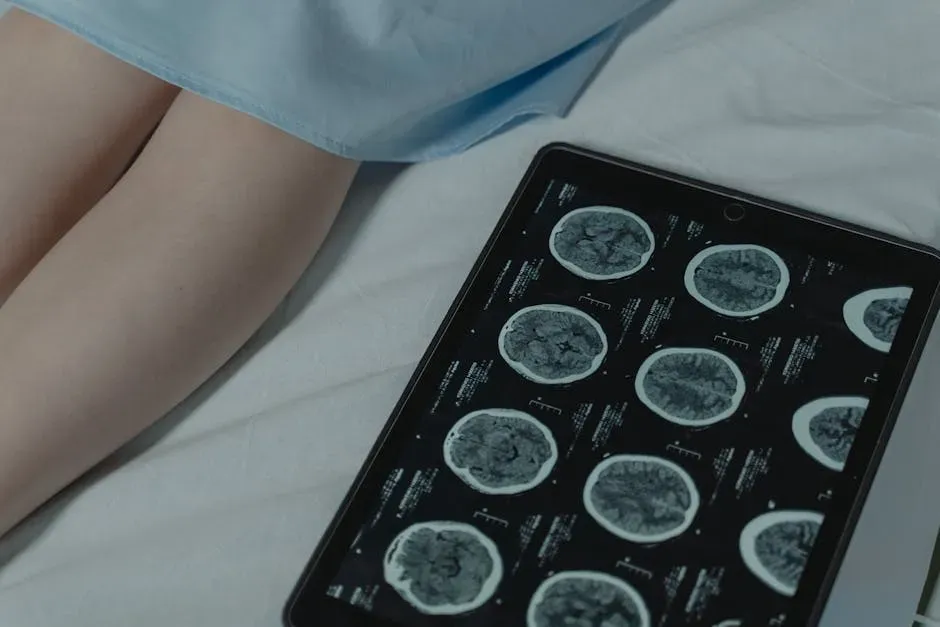
Every habit lives somewhere specific in the brain. When we perform a new behavior, the brain’s prefrontal cortex, responsible for decision-making and conscious thought, is highly active. As we repeat this behavior in consistent contexts, activity gradually shifts to the basal ganglia, a region associated with automatic behaviors.
Recent findings published in PNAS show that stereotyped movement sequences, or habits, need the cortex in the learning phase, but after learning, the cortex can be inactivated and the movement can still be…
—-
Author : Matthias Binder
Publish date : 2026-05-13 19:59:00
Copyright for syndicated content belongs to the linked Source.
—-
1 – 2 – 3 – 4 – 5 – 6 – 7 – 8